News · July 20, 2026
Research and Development of Autonomous EV Chargers Integrating with a Digital Twin System
Principal Investigators & Key Members
By Do Tho Truong, PhD
Urban mobility and smart energy infrastructure are undergoing a major transformation. The project "Research and Development of Autonomous EV Chargers Integrating with a Digital Twin System" focuses on developing cutting-edge, automated charging solutions backed by advanced virtual modeling to optimize power grid stability and drive sustainable electric vehicle (EV) adoption.
Executive Overview & Core Objectives
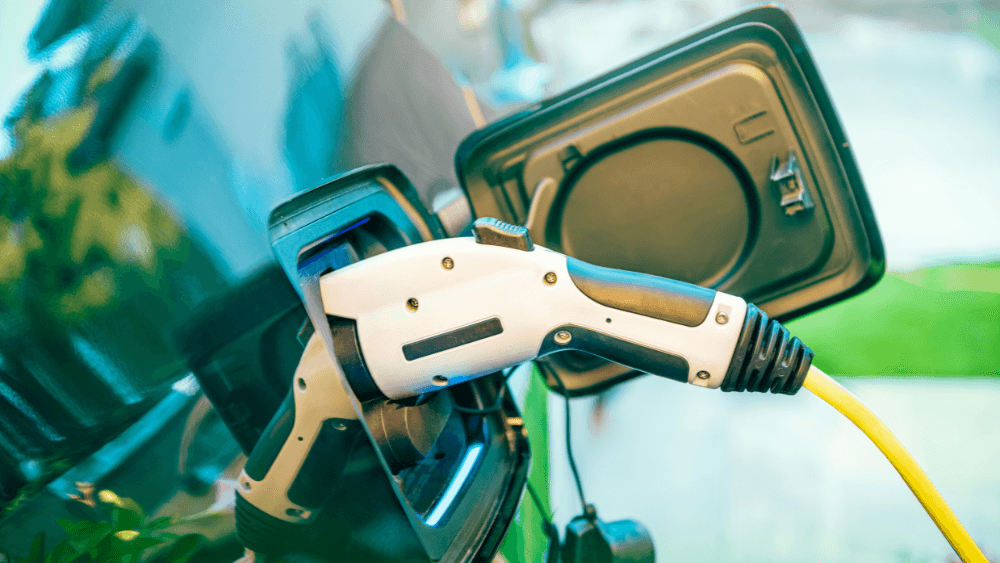
Autonomous EV chargers, equipped with robotic systems and smart grid capabilities, will offer efficient and user-friendly charging experiences. High-capacity battery storage will balance energy supply and demand, enhancing grid stability and supporting renewable energy integration.
There are several phases to reach the objective of such autonomous EV chargers. It includes:
Research and development
Test and validate in a virtual system in computer
Design pilot deployment
Scaling and commercializing
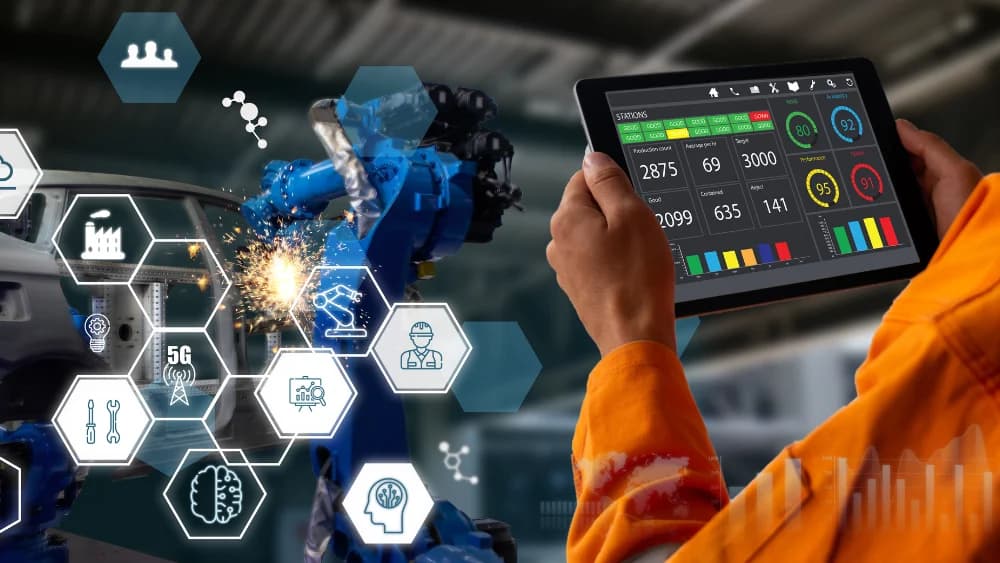
The project aims at the first phase, i.e. research and development, focusing, test and validate in a virtual system in computer. The main tasks of the project are integrating digital twins, autonomous EV chargers, and battery storage systems. Digital twins will simulate and optimize urban mobility, predicting and meeting future demands.
Project Impact & Key Benefits
This initiative will significantly reduce greenhouse gas emissions, lower operational costs, improve user convenience, and strengthen urban energy grids. By combining advanced technologies with strategic planning, this project will foster a resilient, efficient, and sustainable mobility ecosystem.
Technical Scope & Key Deliverables
1. Design Configuration of Autonomous EV Chargers
Develop and integrate autonomous EV chargers with smart grid capabilities to optimize charging processes, reduce energy wastage, and enhance user convenience, contributing to the widespread adoption of electric vehicles. This design is integrated with Battery Storage: Implement high-capacity battery storage solutions to balance energy supply and demand, support renewable energy integration, and enhance grid stability.
2. Develop a Digital Twin
Create accurate digital twins of urban mobility systems to simulate and optimize the integration of autonomous EV chargers and battery storage, enhancing overall energy efficiency and grid stability.
3. Optimize Energy Management of the Virtual System
Develop algorithms and software to manage energy flows between chargers, storage units, and the grid, ensuring optimal load balancing and reliability.
Research by the Center for Environmental Intelligence at VinUniversity
Want to learn more about Volterra?
Discover how our deep-tech platform makes EV charging smarter and cleaner.
Get in touch